
Drains backing up
Sewage returning through the lowest toilet, tub or floor drain needs immediate attention.
Routine service & urgent pump-outs
Due for maintenance, noticing slow drains, or dealing with a full tank? Get a free quote for septic pumping in Zanesville and across Muskingum County.
Direct answer
Most households should plan on pumping every 3 to 5 years. Homes with more occupants, heavier water use, a smaller tank or a garbage disposal may need service sooner.
Pumping removes sludge and floating scum before those solids can build up enough to escape the tank and enter the drain field. Once solids reach the outlet, they can clog the soil treatment area and create a repair that costs far more than routine maintenance.
The safest schedule is based on the tank's actual solids level, household size and past service history. If you do not know when the tank was last pumped, it is sensible to have it checked rather than waiting for symptoms.
Pumping is preventive maintenance. It protects the drain field, gives accessible components a chance to be checked and reduces the risk of a messy backup.
Warning signs
Slow drains, gurgling pipes, odors and standing water can all point to an overfull tank, but they can also signal a blockage or system failure. The cause needs to be checked.
Sewage returning through the lowest toilet, tub or floor drain needs immediate attention.
Gurgling across several fixtures can mean wastewater is struggling to move through the system.
Multiple slow fixtures at the same time usually point beyond a simple local clog.
A sewage smell near the tank or drain field can indicate an overfull tank or poor absorption.
Wet or spongy ground over the system can mean wastewater is surfacing and should be kept away from people and pets.
A greener strip over the drain field can be a sign that nutrient-rich wastewater is reaching the surface soil.
What to expect
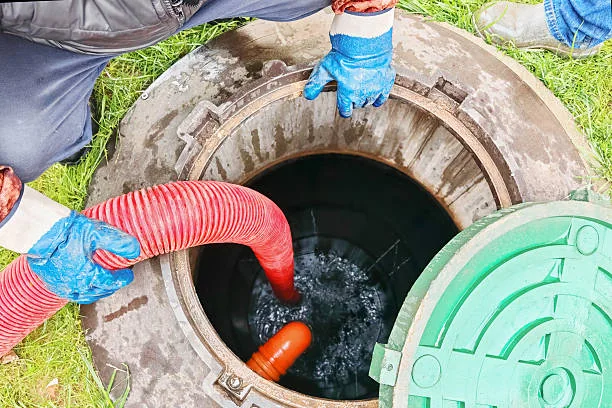
A proper pump-out removes both liquid and accumulated solids, checks accessible components and leaves the tank securely closed.
Access lids are found and opened safely. If they are buried, digging requirements can affect the price and service time.
Before pumping, the technician can note solids levels, unusual liquid levels, visible cracks or signs of a downstream problem.
The vacuum hose removes the contents of the tank, including settled sludge and floating material.
Accessible inlet and outlet baffles and the effluent filter can be reviewed for blockage, corrosion or damage.
Cracked lids, failing baffles, damaged risers or abnormal flow should be explained before they become larger problems.
Lids are replaced securely and the pumping date should be kept with the home's septic maintenance records.
Pumping cost
A standard residential pump-out often costs about $300 to $600. Large tanks, difficult access, buried lids and extra service can increase the price.
The lowest quoted price is not always the full price. Ask whether the quote includes locating and opening the tank, removing all contents, checking the filter, travel, disposal and replacing the access lids securely.
Maintenance intervals
Three to five years is a useful starting point, but tank size and household use matter more than the calendar alone.
Protect the system
Pumping questions
Most households should plan on pumping every 3 to 5 years. Larger households, heavier water use, a smaller tank or regular garbage-disposal use may require more frequent service.
A typical residential pump-out often costs about $300 to $600. Tank size, access, depth, lid location, travel distance and whether extra digging or filter service is needed all affect the final price.
Common signs include slow drains throughout the house, gurgling pipes, sewage backup, outdoor odors, standing water above the tank or drain field and unusually lush grass over the system.
The tank is located and opened, the liquid and accumulated solids are removed, accessible baffles and filters are checked, and visible damage or maintenance concerns are noted before the lid is secured.
Pumping can fix a backup caused by an overfull tank. It will not repair a blocked line, failed pump, damaged baffle or failing drain field, so the system should be checked to identify the actual cause.
A normally used septic system already receives the bacteria it needs from household wastewater. Additives are generally unnecessary and are not a replacement for pumping and sensible maintenance.
It is best to avoid running water during the pump-out so wastewater is not entering the tank while it is being serviced.
Schedule service
Call for the fastest response, or send the tank location and anything you know about the last service. Calls are answered 24/7.