Stop using water
Do not flush toilets, run laundry, use the dishwasher or take long showers. Every gallon has to go somewhere.
Urgent septic help
Sewage backing up, wastewater surfacing, or a septic line broken? Stop using water and call now. We are always available to take your call.
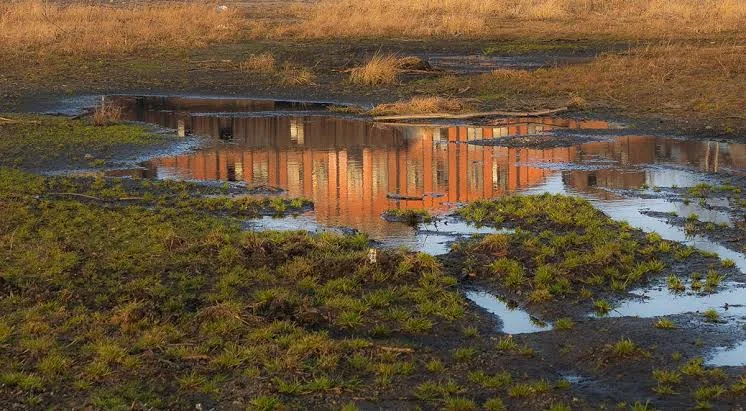
Stop flushing, laundry, showers and dishwasher use until the system is checked.
First steps
Reduce the flow into the system, keep people away from sewage and arrange urgent help. Continuing to use water can make the backup or overflow worse.
Do not flush toilets, run laundry, use the dishwasher or take long showers. Every gallon has to go somewhere.
Indoor sewage and surfacing wastewater can carry harmful contaminants. Avoid direct contact with the affected area.
Explain whether the problem is inside, outside or both, and when it started. Calls are answered 24/7.
Septic tanks contain toxic gases and unsafe access points. Leave lids, pumping and inspection to trained professionals.
Keep vehicles and equipment away from wet ground or suspected tank areas, especially when soil is saturated.
Have the address, symptoms, pumping history and tank location ready if you know them.
Likely causes
A full tank is one possibility, but emergency symptoms can also come from a blocked line, failed pump, broken pipe or saturated drain field.
Accumulated sludge and scum reduce capacity and can block normal wastewater flow.
Solids, wipes, roots or damaged piping can stop wastewater between the house, tank and drain field.
Pressure and mound systems may back up when a pump, float, alarm or electrical component fails.
Heavy rain, compacted soil or long-term solids damage can prevent the field from accepting wastewater.
Broken lines
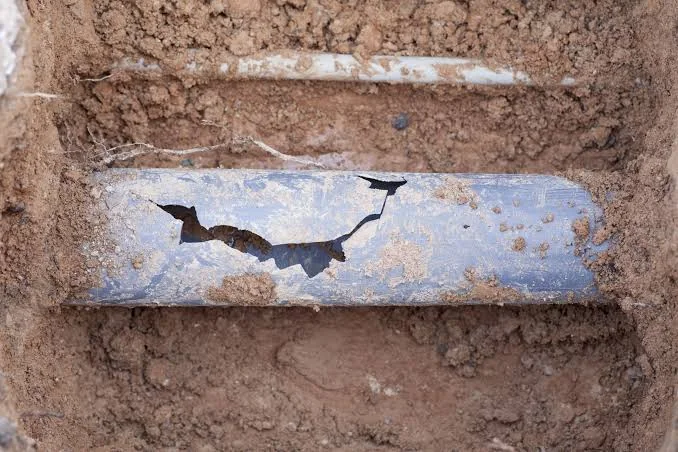
A damaged septic line can block flow, leak untreated wastewater into the soil and trigger backups inside the home.
Common causes include vehicle weight, shifting ground, root intrusion, aging material and poor installation. A visible break may require excavation and replacement of the damaged section, while hidden problems can require camera inspection or careful digging to locate.
Pumping can reduce immediate pressure, but it does not repair the pipe itself. The broken section must be identified and replaced or reconnected correctly.
A broken line should not be ignored. Continued water use can widen the contaminated area and make the repair more disruptive.
Pumping or repair?
It can solve a backup caused by an overfull tank, but pumping is not a repair for a failed component or drain field.
If the tank is simply full, removing the contents may restore normal flow. If the outlet is blocked, the pump has failed, a pipe has collapsed or the drain field is saturated, the system may back up again unless the underlying problem is corrected.
The most useful emergency visit combines immediate relief with diagnosis, so you know whether the next step is routine pumping, a targeted repair or system replacement.
Avoid making it worse
Emergency questions
Stop using water immediately, keep people and pets away from contaminated areas, avoid direct contact with wastewater and call for urgent septic service. Do not keep flushing or run appliances while the system is backing up.
Pumping may solve a backup caused by an overfull tank. It will not repair a collapsed line, failed pump, damaged baffle or failed drain field, so the system should be checked to confirm the cause.
Yes. Surfacing wastewater can contain harmful bacteria and other contaminants. Keep children and pets away, avoid mowing or walking through the area and arrange urgent service.
Heavy rain can saturate the soil around a drain field and reduce its ability to accept wastewater. Reduce water use and arrange an inspection if drains slow down, odors appear or wastewater surfaces.
A broken or collapsed line should be addressed promptly because it can stop wastewater flow, leak into the soil and cause backups inside the home.
Share the property location, the symptoms, when they started, whether wastewater is inside or outside, when the tank was last pumped and whether you know where the tank and access lids are located.
Urgent help
For the fastest response, call now. You can also send the property location and symptoms below. Calls are answered 24/7.